16
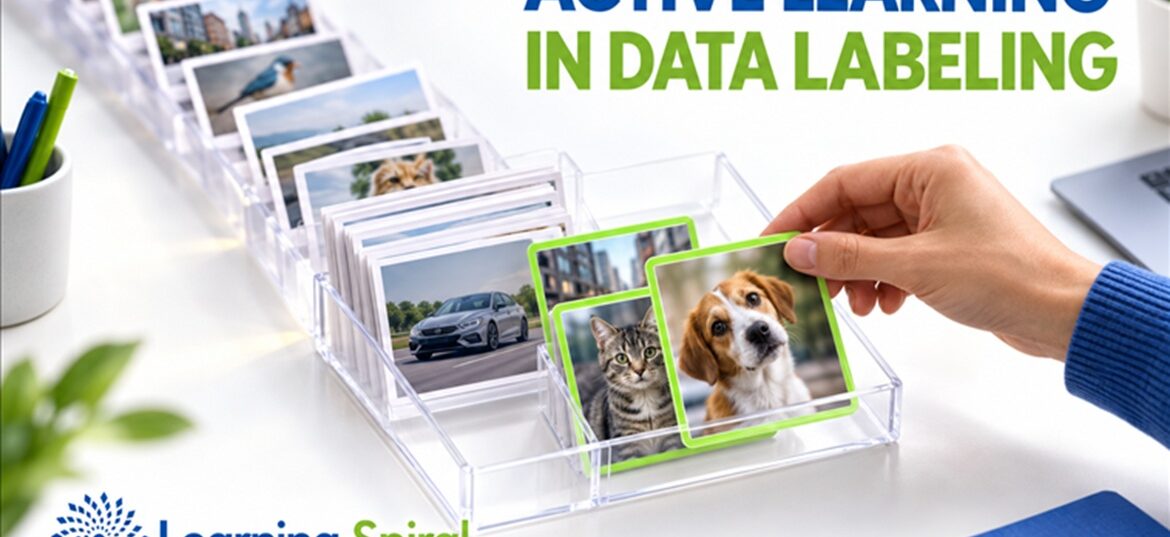
OctArtificial intelligence is becoming more sophisticated, but one challenge continues to slow down machine learning development: identifying which data deserves human attention. Organizations often collect enormous amounts of images, videos, text, audio recordings, and sensor data. Yet labeling every available sample can be expensive, time-consuming, and unnecessary. Some samples offer very little new information, while others can […]
14
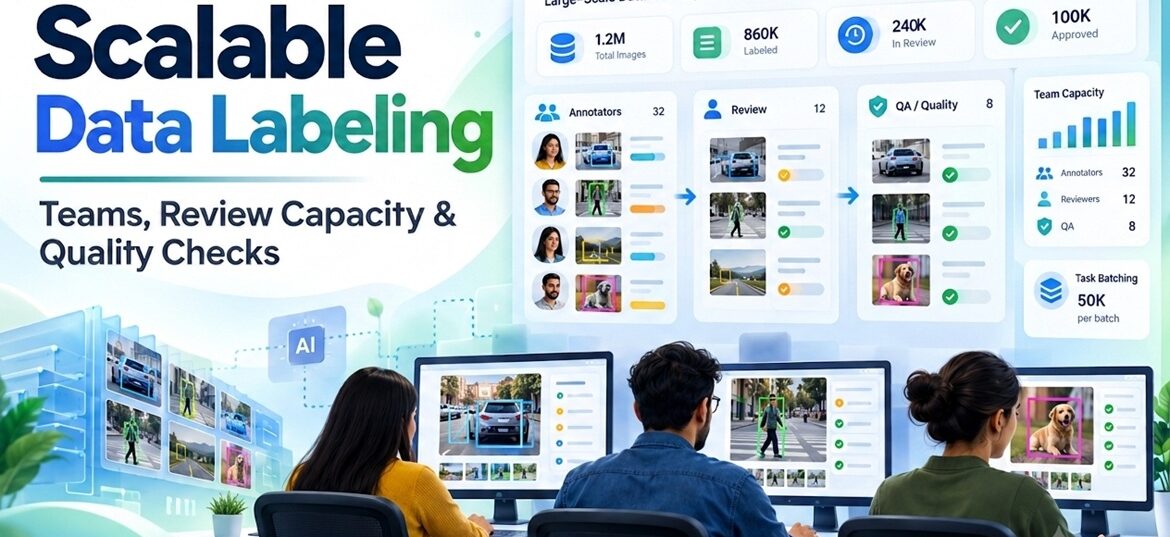
OctDeploying production-grade machine learning models requires high volumes of precisely tagged data. As computer vision, natural language processing (NLP), and multimodal AI systems advance, managing enterprise-scale projects becomes an operational hurdle. Navigating workforce scaling, consensus validation, and rigorous quality control is critical to long-term success. Discover how structured team planning, review capacity management, and multi-tier quality checks[…]
28
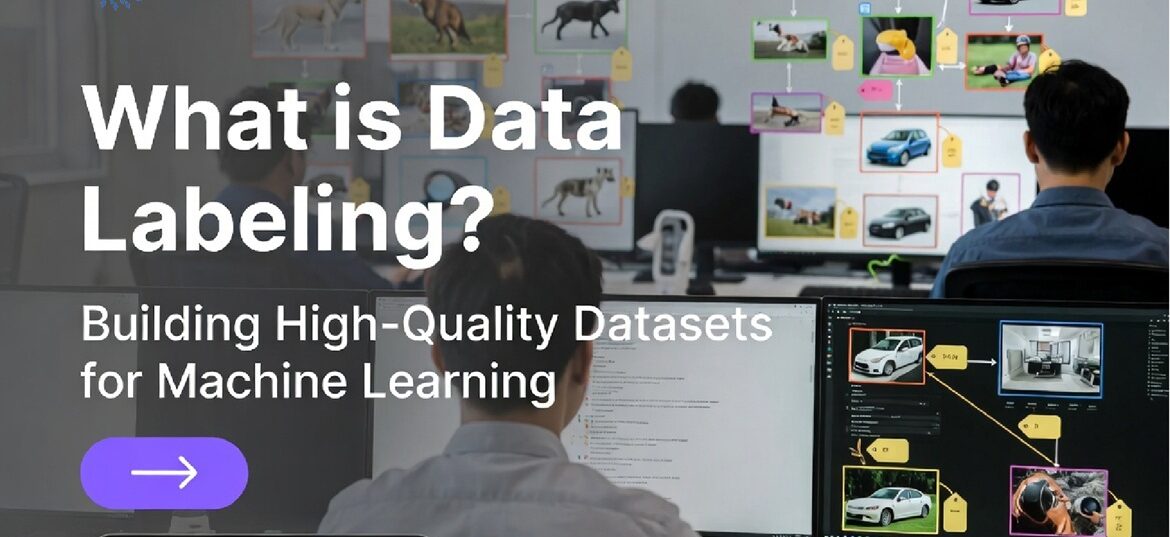
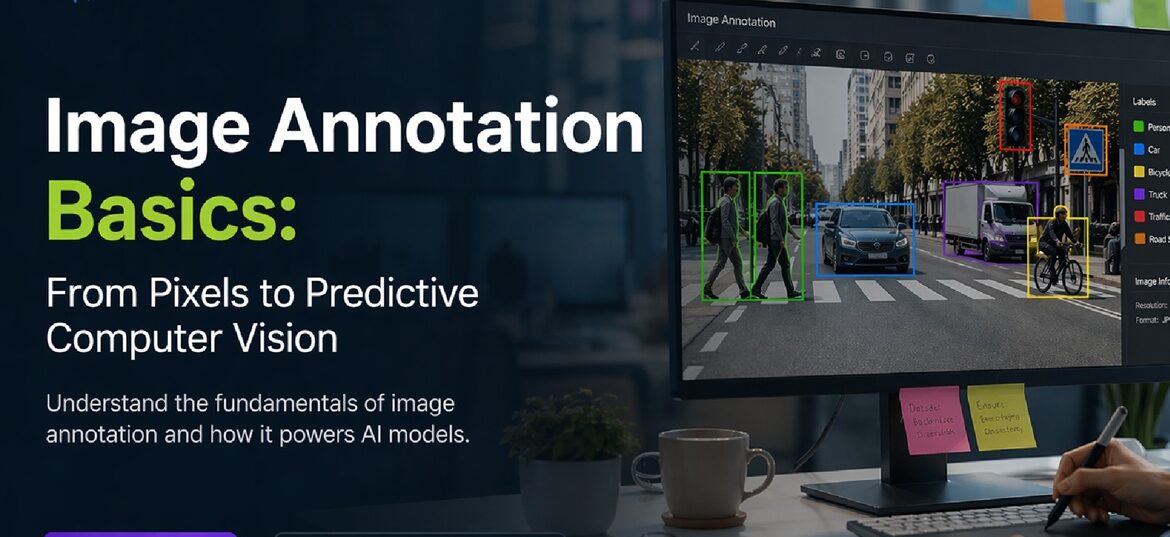
SepArtificial intelligence can process millions of images, videos, conversations and sensor readings—but raw data alone does not automatically teach an AI system what it is looking at. A self-driving vehicle needs to distinguish a pedestrian from a traffic sign. A retail AI system must tell one product from another. A medical imaging model needs to recognise relevant[…]
07
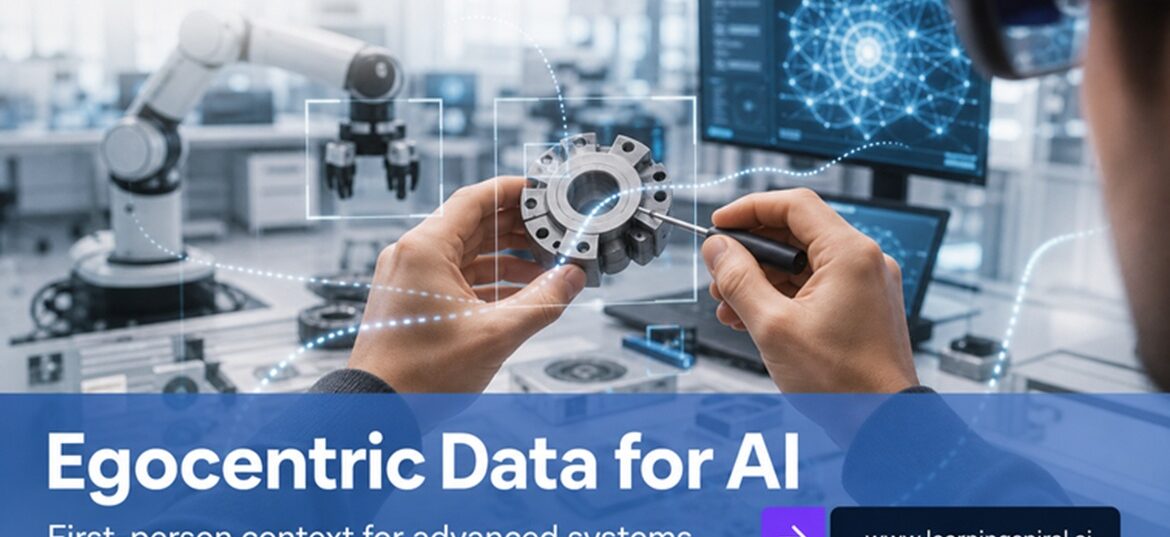
SepA computer can capture millions of pixels in an image, but pixels alone do not tell an AI model what it is looking at. A pedestrian is simply a collection of colors. A damaged crop leaf is another pattern of pixels. A vehicle, medical scan, warehouse package or robotic component has no meaning until the machine learns[…]

02
SepArtificial intelligence can analyze enormous datasets and automate repetitive decisions faster than people. However, speed and scale do not automatically make an AI system reliable. Models can misinterpret unfamiliar inputs, inherit bias from their training data, miss contextual details or produce highly confident but incorrect results. These limitations become particularly important when AI is used in healthcare,[…]
02
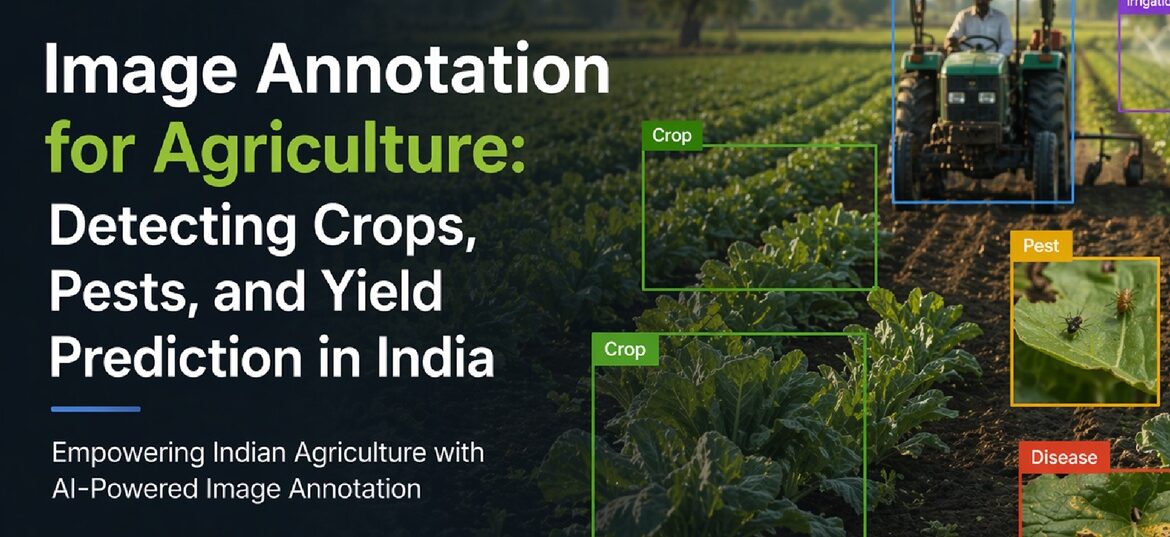
SepArtificial intelligence systems are increasingly expected to understand and operate within the physical world. Robots must recognize tools, wearable devices must interpret human activities, and intelligent assistants must understand how people interact with objects in real environments. Traditional images captured from an external viewpoint provide useful information, but they do not always represent what a person or[…]
27
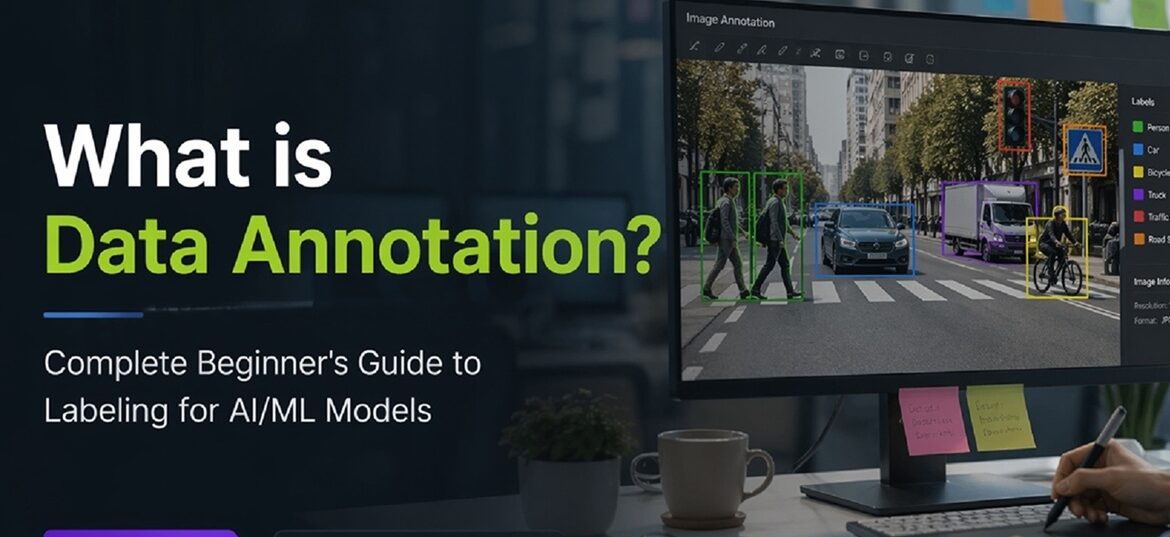
JulWhat This Article Covers Agricultural image annotation use cases Annotation methods and workflow Manual versus AI-assisted labeling Dataset quality challenges FAQs for agriculture AI teams What Is Image Annotation for Agriculture? Image annotation for agriculture is the process of labeling crops, weeds, pests, diseases, fruits, field boundaries, and soil conditions in photographs, drone imagery, or satellite data.[…]
24
JulHealthcare AI teams face a specific challenge that most other industries do not: building accurate training datasets while protecting patient privacy under strict regulatory rules. Medical data annotation is the process of labeling clinical images, notes, audio, and sensor data so machine learning models can recognize patterns relevant to diagnosis, treatment, and research. Done incorrectly, it can[…]
21
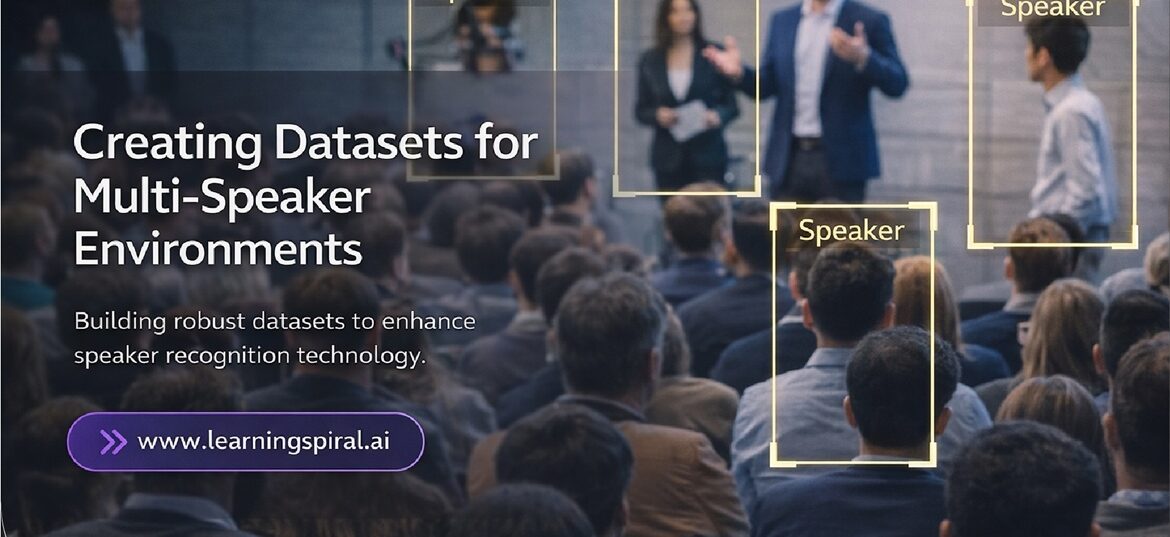
MayWhy Multi-Speaker Datasets Matter in AI AI systems are no longer trained only on clean, single-speaker audio. Today, voice assistants, call center analytics, meeting transcription tools, healthcare documentation systems, and security applications need to understand conversations involving multiple speakers. This is where multi-speaker datasets become essential. They help Machine Learning datasets capture real-world speech patterns such as[…]
31
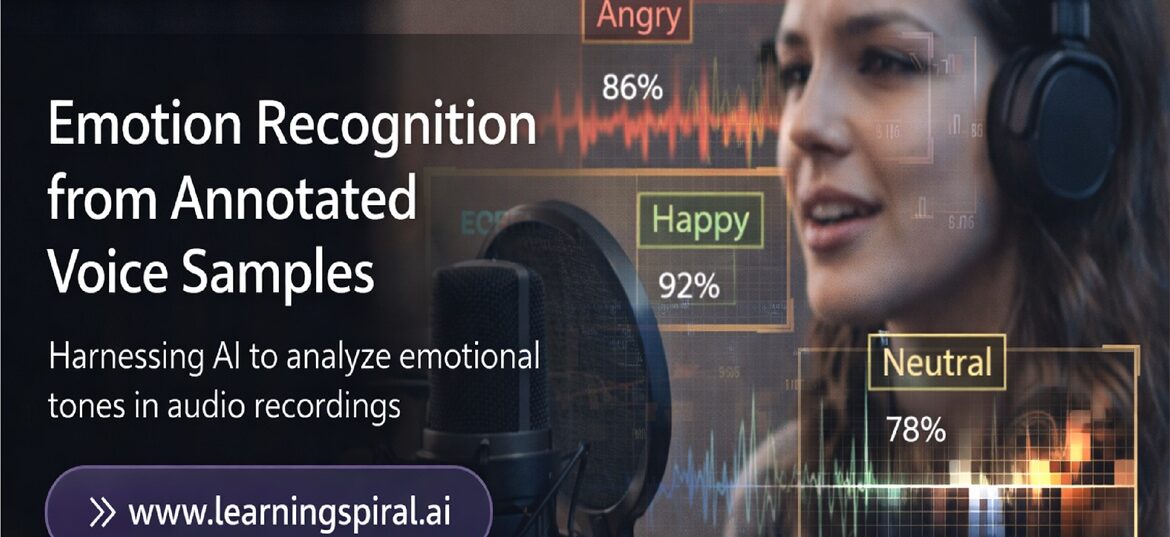
MarEver wondered how your smart assistant knows when you’re frustrated or excited just from your voice? It’s all thanks to emotion recognition from annotated voice samples, a game-changing AI tech that’s making machines more human-like. At its core, this involves analyzing tone, pitch, and speech patterns to detect emotions like joy, anger, or sadness. But here’s the magic:[…]