
28
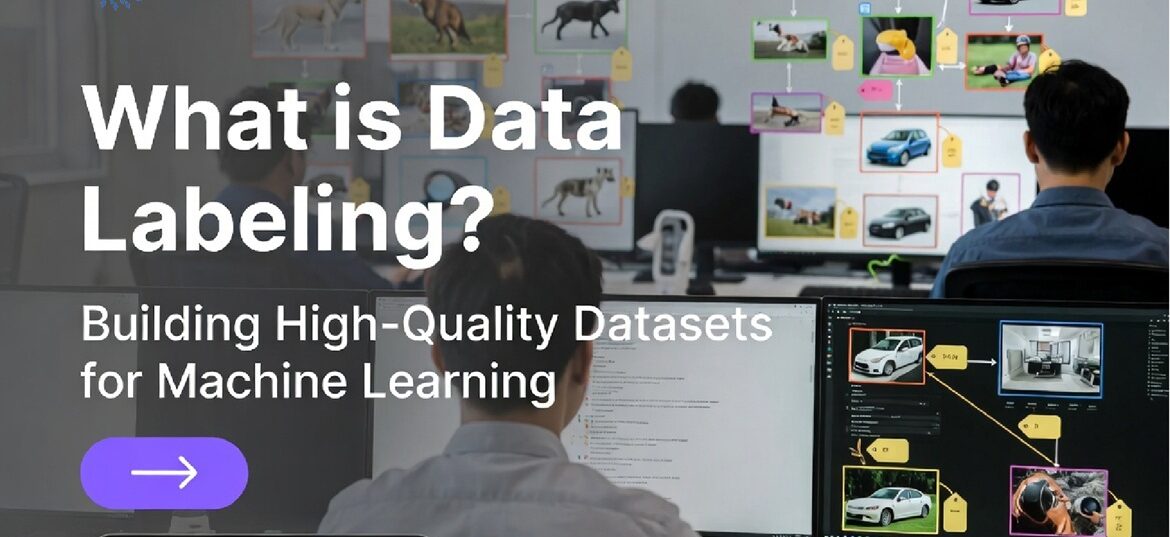
SepArtificial intelligence can process millions of images, videos, conversations and sensor readings—but raw data alone does not automatically teach an AI system what it is looking at. A self-driving vehicle needs to distinguish a pedestrian from a traffic sign. A retail AI system must tell one product from another. A medical imaging model needs to recognise relevant […]
07
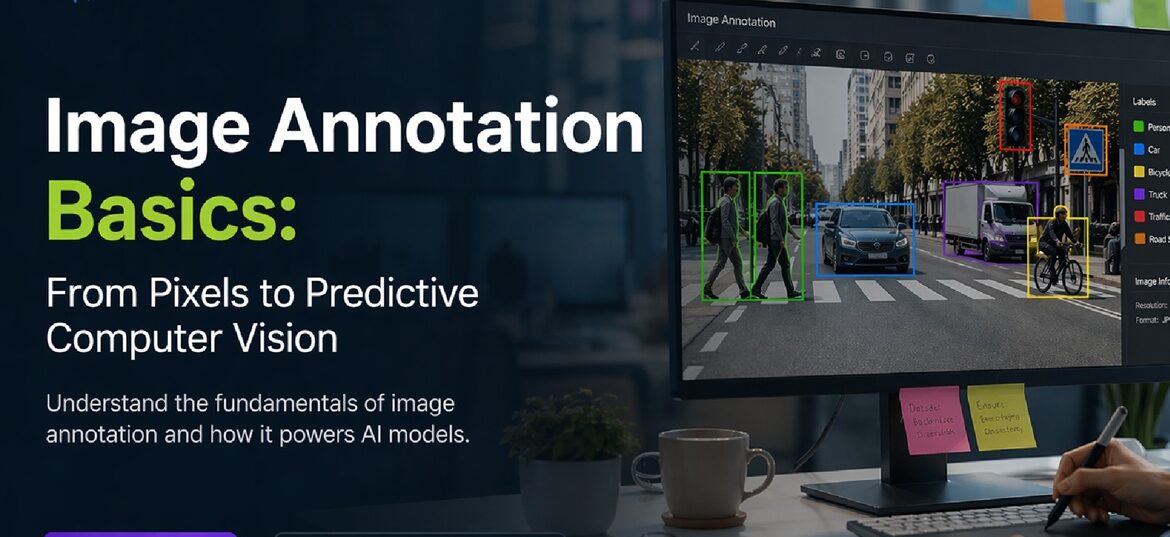
SepA computer can capture millions of pixels in an image, but pixels alone do not tell an AI model what it is looking at. A pedestrian is simply a collection of colors. A damaged crop leaf is another pattern of pixels. A vehicle, medical scan, warehouse package or robotic component has no meaning until the machine learns[…]
02
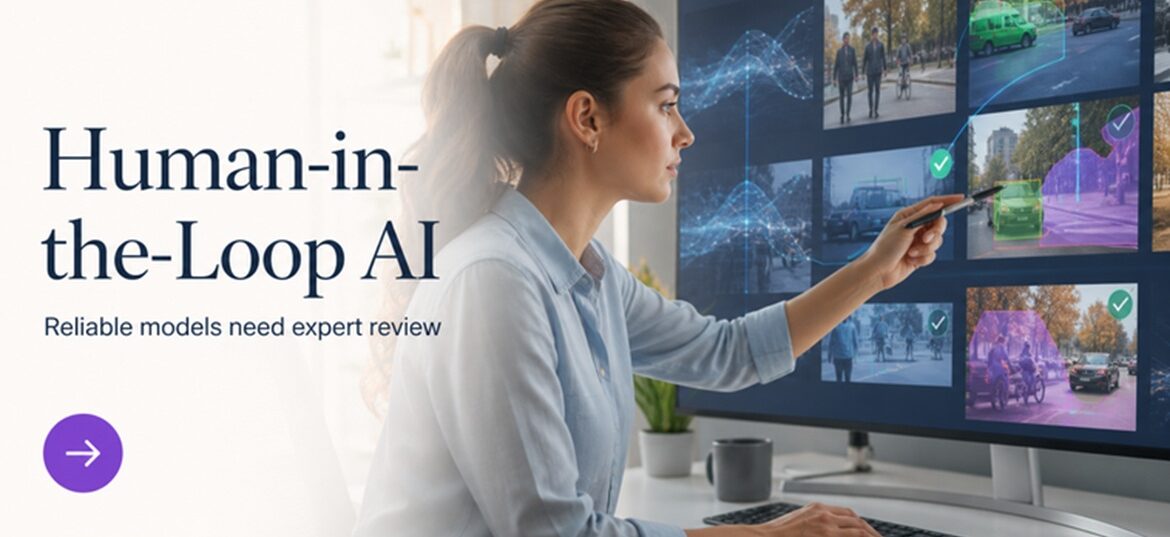
SepArtificial intelligence can analyze enormous datasets and automate repetitive decisions faster than people. However, speed and scale do not automatically make an AI system reliable. Models can misinterpret unfamiliar inputs, inherit bias from their training data, miss contextual details or produce highly confident but incorrect results. These limitations become particularly important when AI is used in healthcare,[…]
02
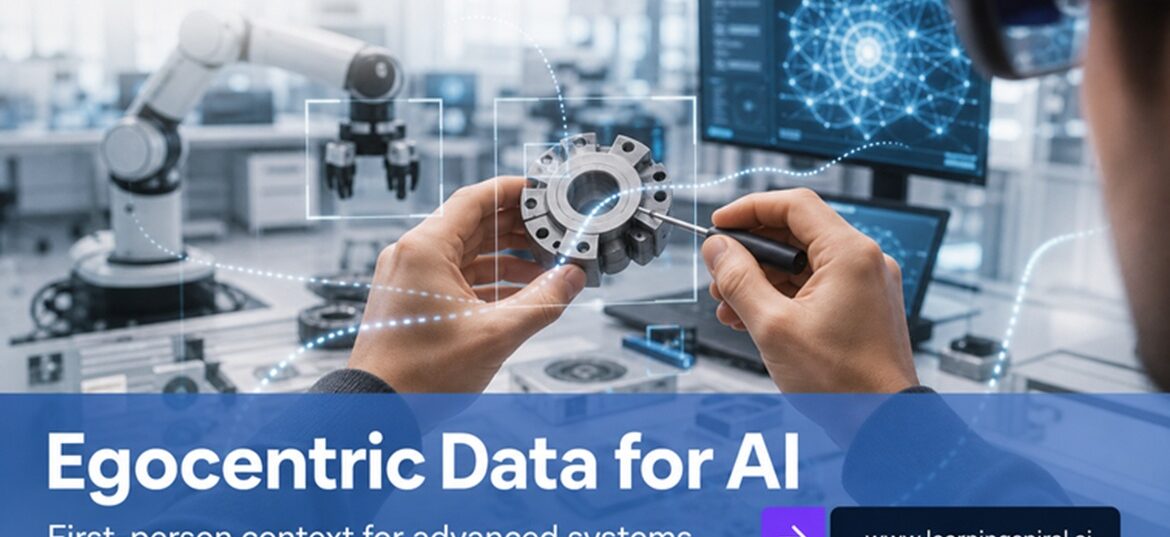
SepArtificial intelligence systems are increasingly expected to understand and operate within the physical world. Robots must recognize tools, wearable devices must interpret human activities, and intelligent assistants must understand how people interact with objects in real environments. Traditional images captured from an external viewpoint provide useful information, but they do not always represent what a person or[…]