

03
NovWhat if your customer support AI could understand not just what customers write, but what they actually need? Every day, businesses receive customer support tickets containing questions, complaints, refund requests, delivery issues, technical problems, and service-related concerns. To a human support agent, many of these requests are easy to understand. But for an AI model, a message […]

03
NovWhat if your data annotation team could spend less time drawing the same labels repeatedly—and more time fixing the mistakes that truly matter? Imagine an AI development team preparing thousands of images for an object detection model. Every vehicle needs a bounding box, every pedestrian must be identified, and every partially hidden object requires careful interpretation. Manual[…]

02
NovA customer searches for “black waterproof running shoes,” but your online store recommends leather sandals. Another shopper filters for cotton shirts and finds polyester jackets. What went wrong? The problem may not be your search engine. It could be the data behind your products. In e-commerce, every product has a digital identity built from its category, attributes,[…]

02
NovYour AI may recognise the words. But does it understand what people actually mean? Imagine a customer sending this message to an AI-powered support chatbot: “Kal mera order aa jayega na?” The sentence combines Hindi vocabulary with an English word, uses Roman script instead of Devanagari, and expresses a question about an expected delivery. For a human[…]

02
NovWhat if artificial intelligence could understand the height of every tree in a forest, identify unstable mining terrain, and detect environmental changes before they become major challenges? From dense forest canopies to complex open-pit mines, some of the world’s most challenging environments are difficult to understand through ordinary photographs alone. Forests contain overlapping branches, uneven terrain and[…]
01
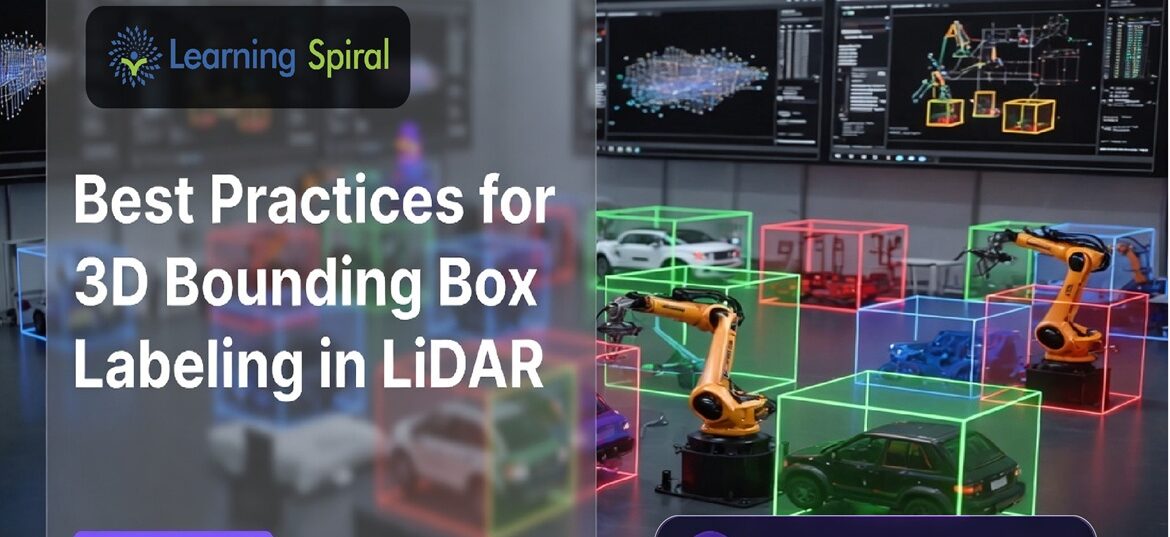
NovWhat happens when an autonomous vehicle detects a pedestrian—but gets their position, size or direction wrong? In the world of artificial intelligence, understanding that an object exists is only the beginning. For autonomous vehicles, intelligent robots and advanced computer vision systems, understanding exactly where that object is located in three-dimensional space is equally important. This is where[…]
01
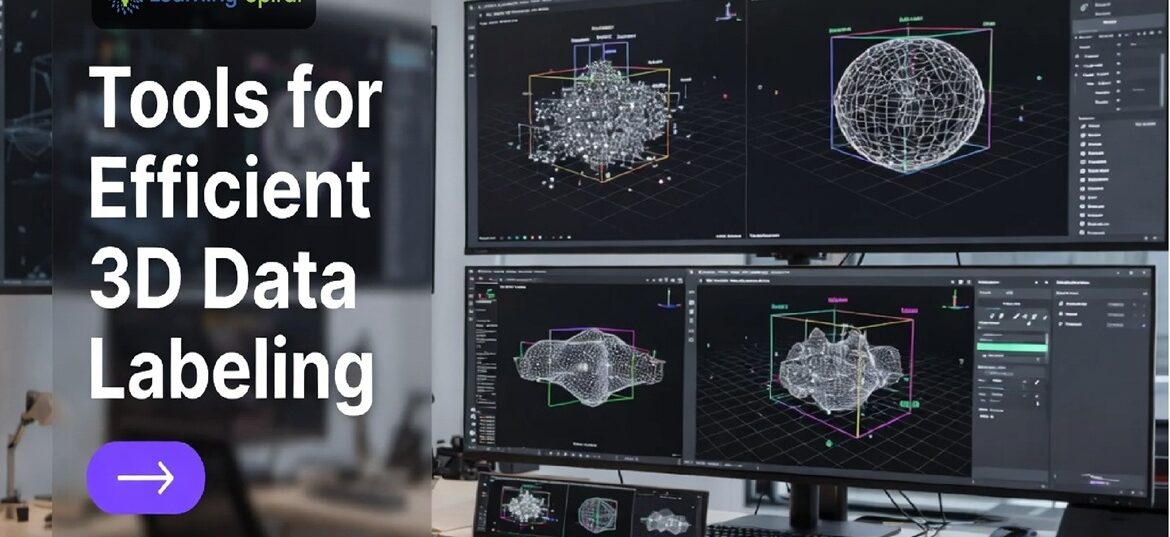
Nov6 Powerful Tools for Efficient 3D Data Labeling: A Guide to LiDAR Annotation Can artificial intelligence truly understand the physical world without understanding depth, distance, and direction? Imagine an autonomous vehicle detecting a pedestrian in a crowded street. Recognising the person is only the beginning. The vehicle must also understand where the pedestrian is standing, how far[…]
31
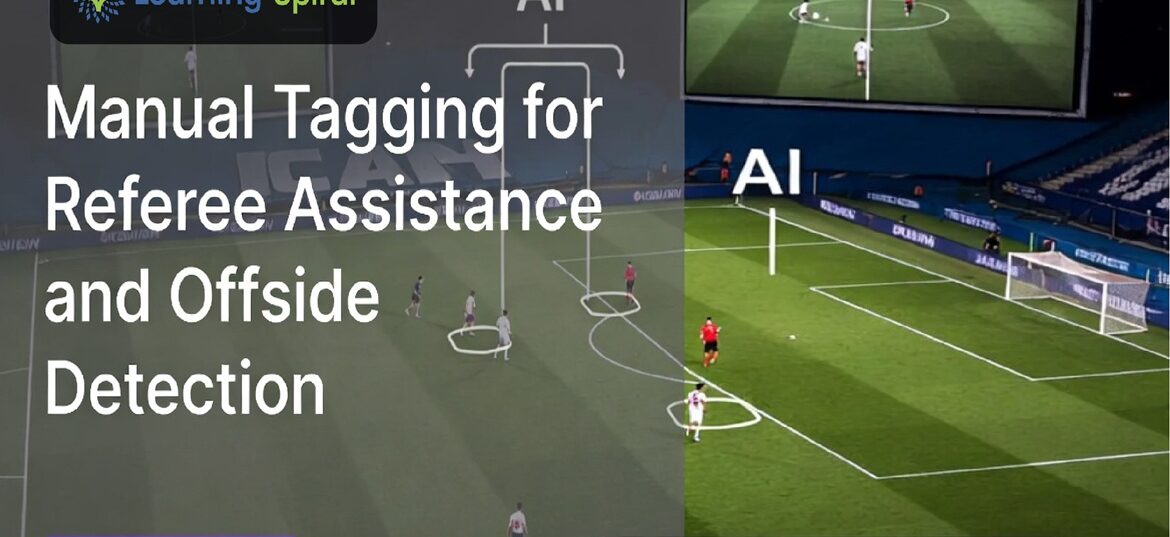
OctOne pass. One decisive movement. One split-second decision that could change the result of an entire football match. Imagine a striker making a perfectly timed run towards the goal. The midfielder delivers a through ball, the striker scores, and the stadium erupts. But seconds later, the referee receives a signal: possible offside. Was the striker ahead of[…]

31
OctAI in Esports: How Labeled Data Reveals Winning Strategies What if AI could reveal the tactical decisions behind an esports victory—not just the final score? Imagine watching a competitive esports match where two teams appear evenly matched. Both have talented players, strong coordination and access to similar in-game resources. Yet one team consistently wins critical engagements. Is[…]

31
OctWho Made That Play? Human Attribution in Action Recognition for Sports AI A camera can capture a goal. But can artificial intelligence identify exactly who scored it? Imagine a football match where three players sprint towards the goal. One passes the ball, another makes a clever run, and a third delivers the winning shot. To a human[…]