18
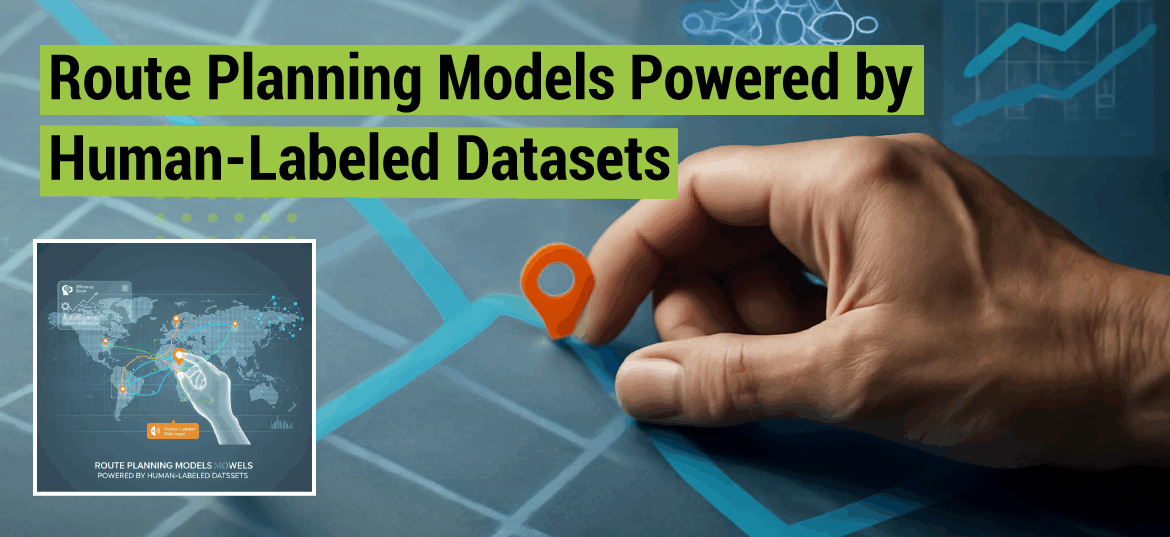
NovEfficient route planning is more than just finding the shortest distance between two points; it’s about optimizing for a myriad of real-world variables. From traffic congestion and road closures to delivery windows and driver preferences, the complexities are immense. Traditional models often fall short in capturing these nuanced, human-centric factors. This is where human-labeled datasets emerge as […]
31
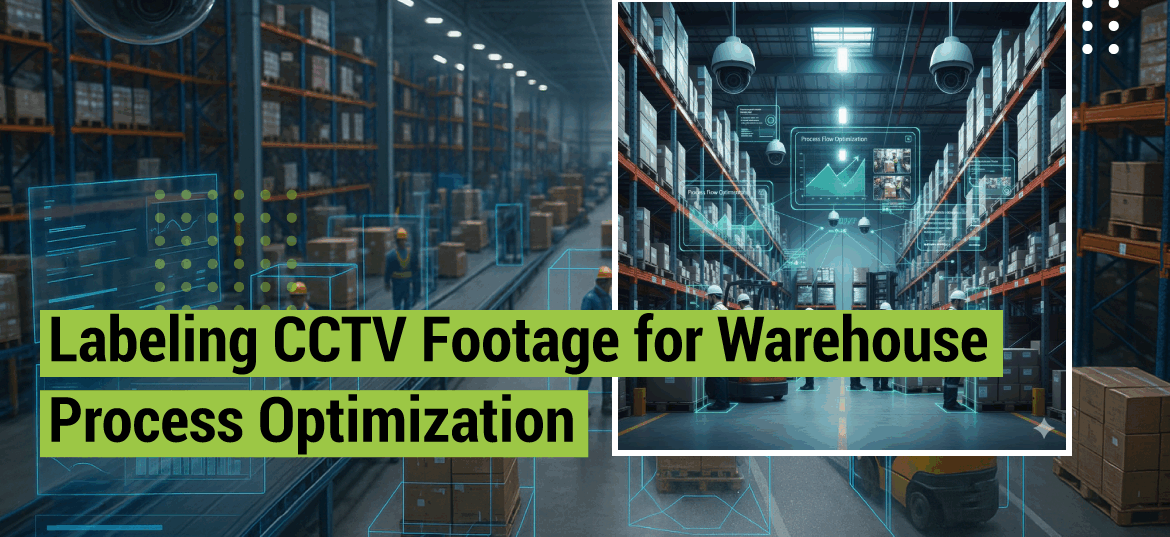
OctIn today’s fast-paced logistics and supply chain industry, optimizing warehouse operations is essential for efficiency and cost reduction. One powerful tool driving this transformation is the analysis of CCTV footage using advanced AI technologies. By applying precise and consistent labeling techniques, businesses can gain actionable insights to streamline warehouse workflows, reduce bottlenecks, and enhance productivity. At the[…]
30
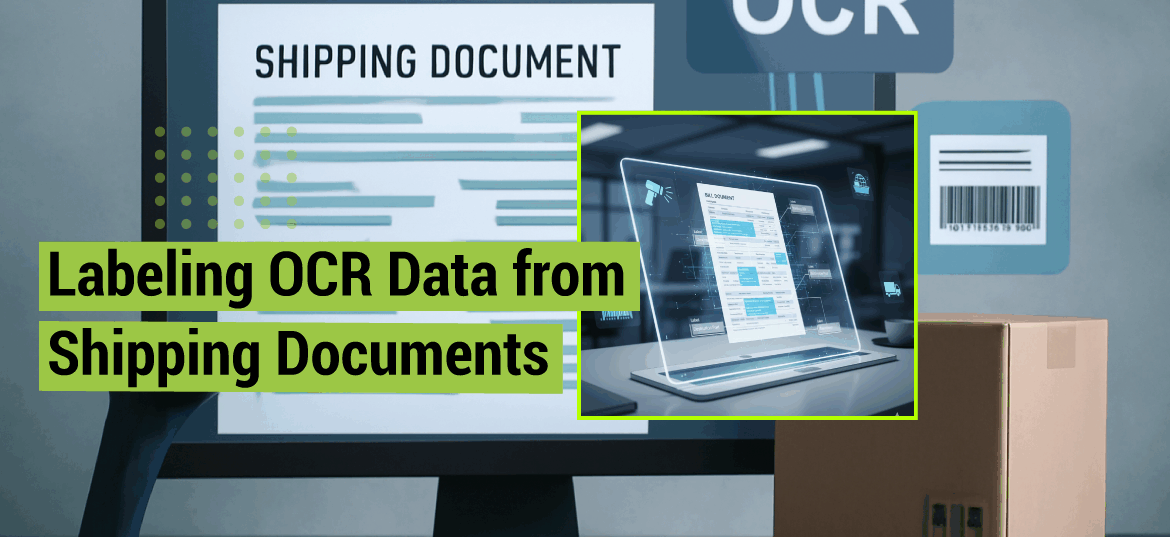
OctIn today’s fast-paced logistics and supply chain industry, the ability to efficiently extract and interpret data from shipping documents is critical. OCR (Optical Character Recognition) converts scanned images and PDFs into machine-readable text—but OCR alone isn’t enough. To make AI truly understand diverse, imperfect paperwork, data annotation and data labeling services supply the structure, context, and boundaries[…]
19
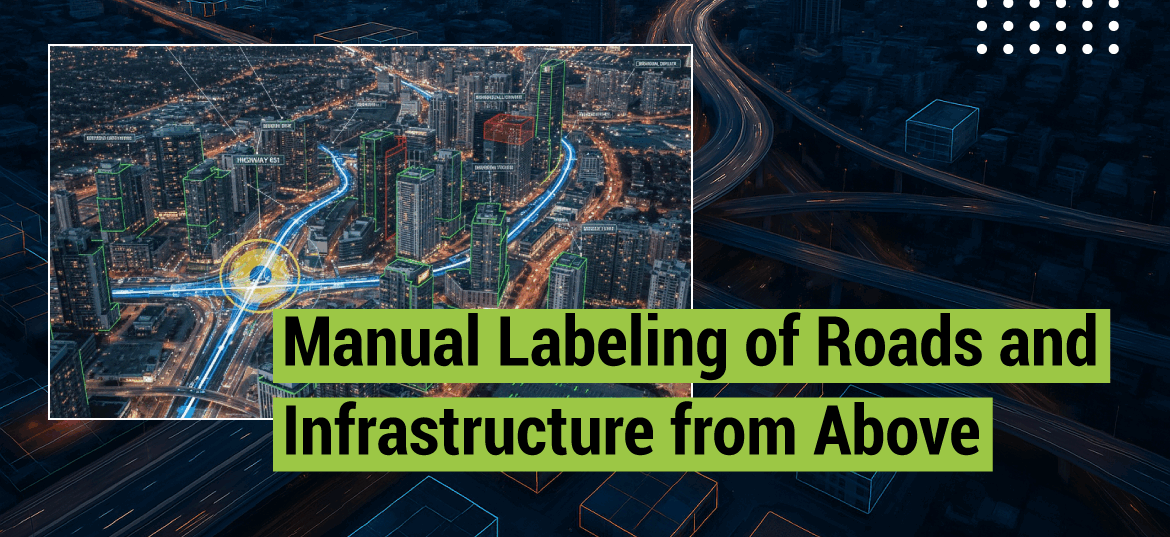
OctIntroduction to Manual Labeling for AI Models Urbanization is accelerating, and with it, the need for smart cities and autonomous technologies that require precise data to function. From self-driving cars to advanced traffic management systems, AI-driven solutions depend on accurate data annotation to understand roads, infrastructure, and urban landscapes. Manual labeling of roads and infrastructure from above[…]
17
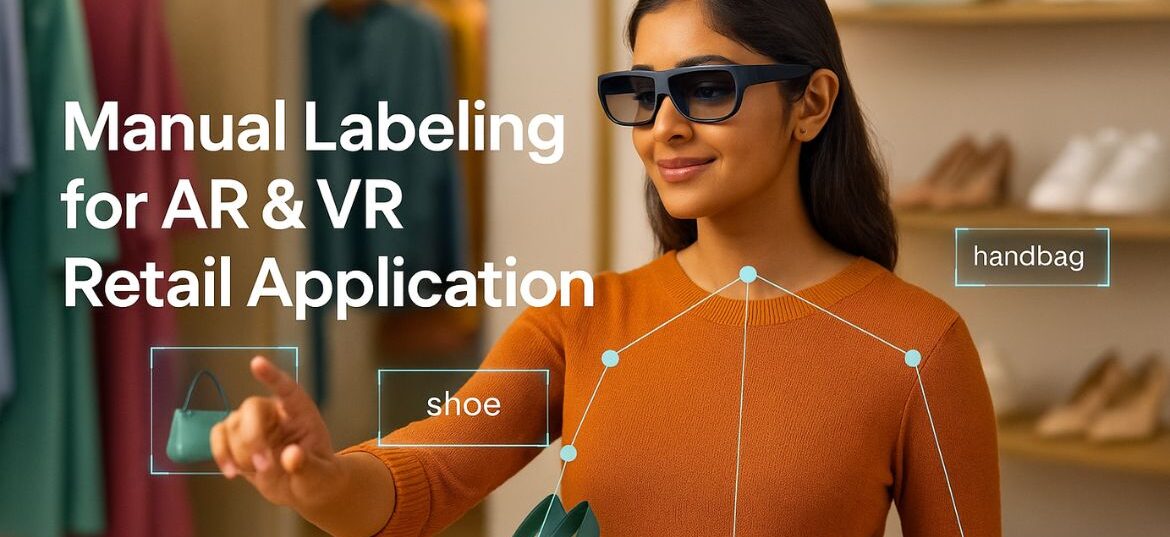
OctAugmented Reality (AR) and Virtual Reality (VR) are revolutionizing the retail industry by providing immersive and interactive shopping experiences. From virtual try-ons to enhanced product visualization, AR and VR applications rely heavily on high-quality, accurately labeled data to function effectively. This is where manual labeling plays a crucial role. Manual labeling involves the precise annotation of images,[…]
07
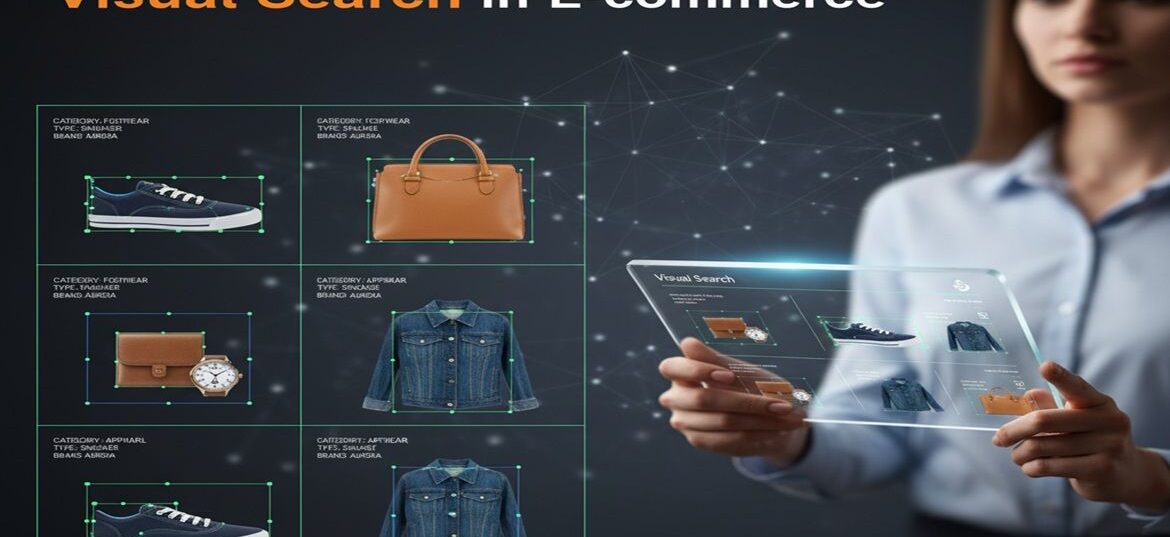
OctThe e-commerce industry is rapidly evolving, and artificial intelligence (AI) has become the driving force behind personalized and intuitive shopping experiences. Among the most innovative applications is AI-powered visual search, which enables users to find products using images instead of text-based queries. However, behind every accurate AI model lies high-quality labeled datasets that train algorithms to recognize,[…]
30
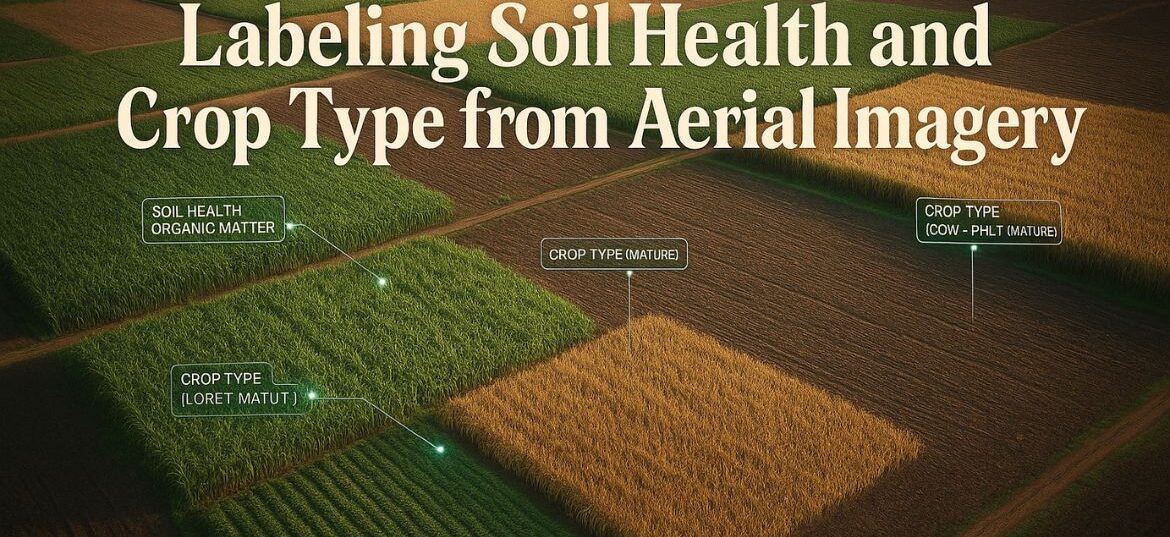
SepIn the age of precision agriculture, aerial imagery captured via drones, satellites, and manned aircraft is transforming how farmers and researchers assess soil health and crop classification. With the help of AI-driven data annotation, agricultural intelligence is now sharper, faster, and more actionable than ever before. Soil Health Analysis with Aerial Imagery Labeling soil health from aerial[…]
29
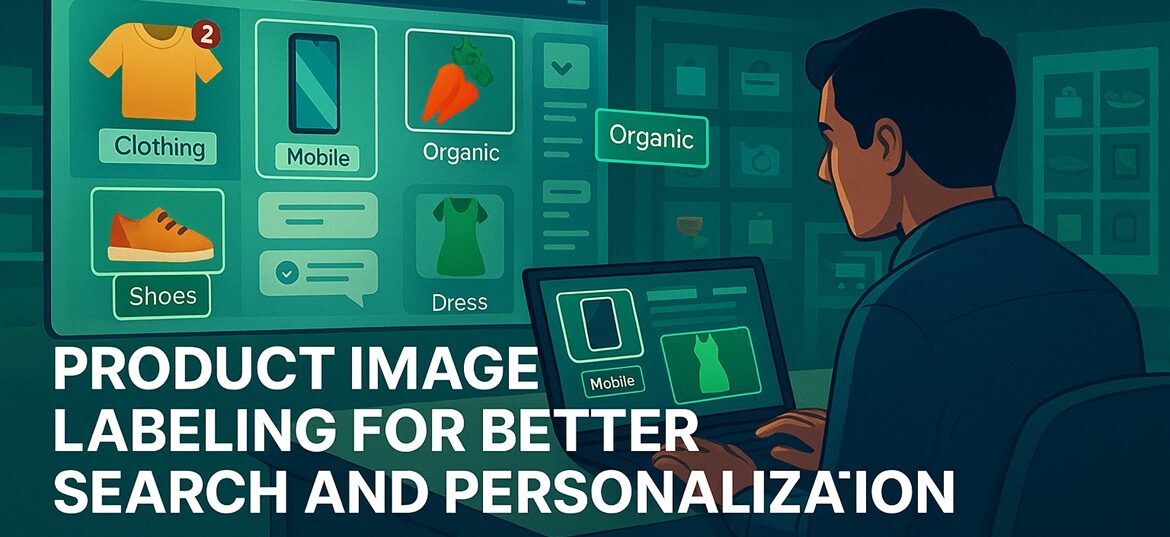
SepIn today’s digital-first world, visual content drives engagement, and product images play a central role in e-commerce success. However, simply uploading product photos isn’t enough. To boost user experience, personalization, and product discoverability, businesses now rely on AI-powered product image labeling. What is Product Image Labeling? Product image labeling, also known as image annotation, involves tagging elements[…]
25
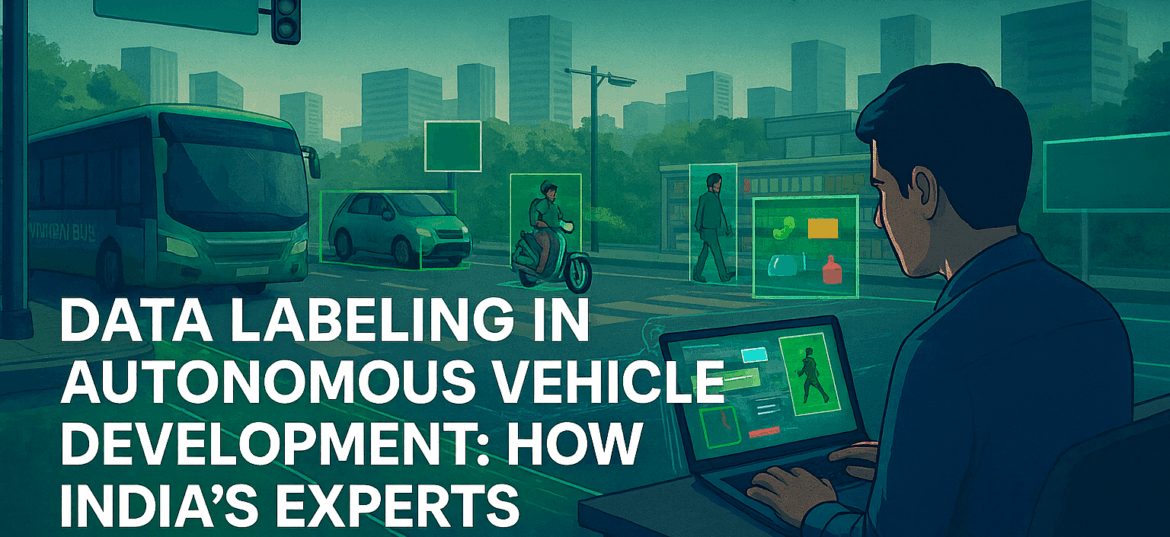
SepThe rapid advancements in autonomous vehicle (AV) technology are transforming the automotive industry, and data labeling is at the heart of this revolution. In order to develop AI systems capable of safely navigating vehicles on roads, large datasets of images, videos, and sensor data must be labeled accurately to train machine learning (ML) models. This is where[…]
18
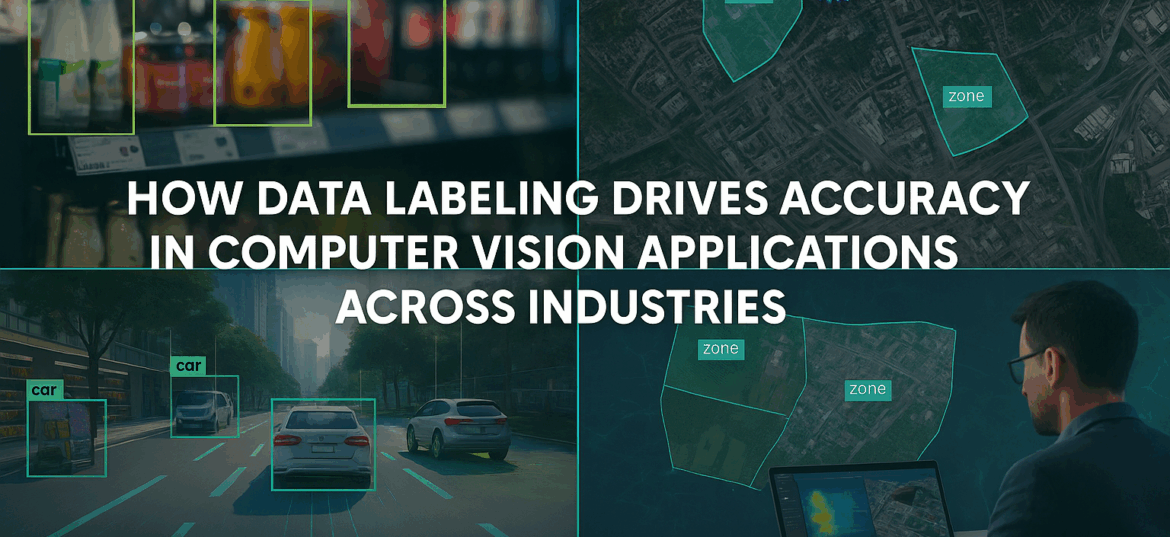
SepIn the rapidly advancing world of Artificial Intelligence (AI) and Machine Learning (ML), data labeling is the critical process that drives accuracy, enabling the technology to perform tasks that mimic human intelligence. For computer vision applications, this is especially true. Computer vision, which allows machines to interpret and understand the visual world, relies heavily on well-labeled data[…]